NBA Live Betting: Real-Time Basketball Wagering
 Available in US
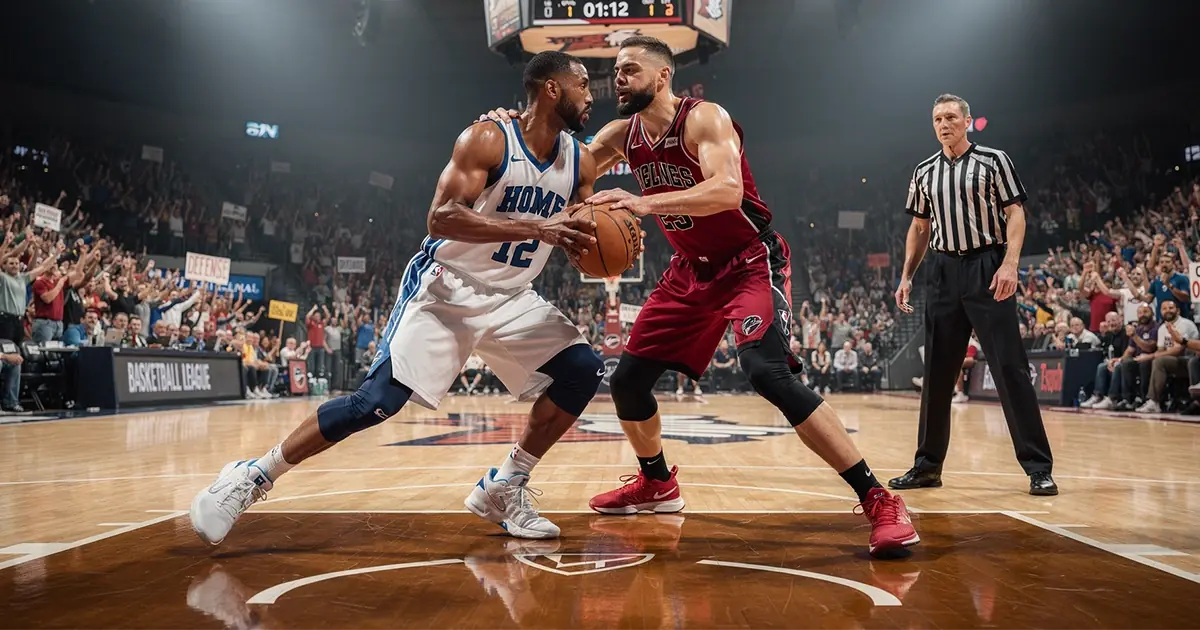
Live betting transforms how you engage with NBA games. Instead of locking in your position before tip-off and watching passively, you’re actively reading the game and finding opportunities as the action unfolds. A team that falls behind early might present value on the live spread. A game trending toward a shootout might offer live total value that wasn’t available pre-game. This dynamic environment rewards bettors who can process information quickly and act decisively when edges appear.
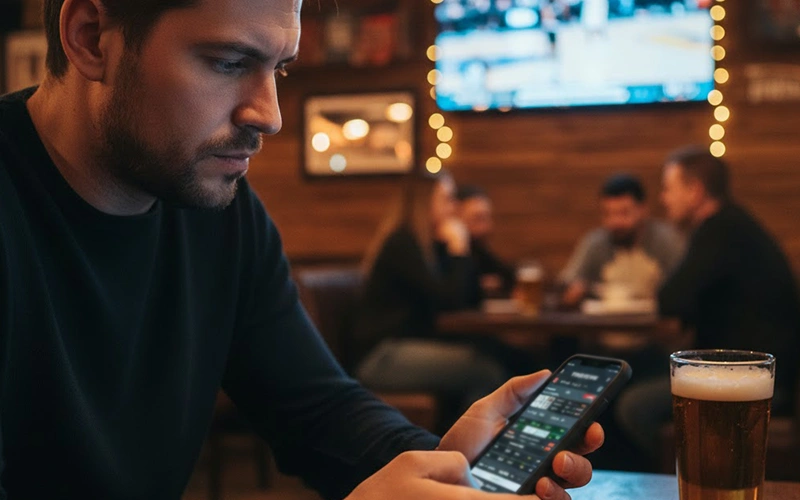
The rise of live betting coincides with improvements in streaming technology and sportsbook infrastructure. Modern platforms update odds in near real-time, allowing bettors to react to on-court developments within seconds. What once required being physically present at a sportsbook now happens on your phone while watching from anywhere. This accessibility has made live betting one of the fastest-growing segments of sports wagering.
This guide covers everything you need to succeed in NBA live betting markets. From understanding how in-game odds work to developing strategies for specific situations, you’ll learn to identify and exploit opportunities that only exist during live play. The skills required differ from pre-game betting, emphasizing quick analysis and pattern recognition over deep research. Mastering these skills opens a betting dimension that most casual bettors never effectively access.
What Is NBA Live Betting? — In-Game NBA Betting Markets and Odds
How In-Game Betting Works
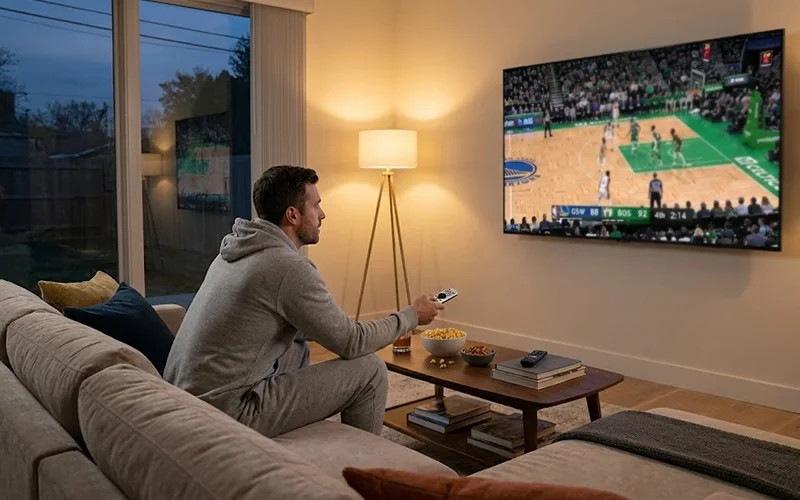
Live betting allows you to place wagers on NBA games while they’re in progress. Odds update continuously based on the score, time remaining, and other factors the sportsbook’s algorithms process. When the home team hits a three-pointer to take the lead, the live spread adjusts within seconds to reflect their improved position. This constant recalibration creates a fluid market where prices change with every possession.
For the most accurate odds and expert predictions, always check our top NBA betting site before the tip-off.
Before placing wagers in real-time, ensure you fully understand the basics by reading our comprehensive NBA point spread betting guide.
The mechanics differ from pre-game betting primarily in speed and availability. Live markets might close briefly during critical moments, such as free throws or reviews, when the sportsbook needs time to recalculate accurate odds. You’ll also encounter wider spreads between the odds on each side, reflecting the increased uncertainty and the sportsbook’s need for protection against bettors with faster information access.
Placing live bets requires accepting that the price you see might change before your bet is confirmed. Many sportsbooks offer options to accept better odds automatically while rejecting worse ones. Understanding your platform’s live betting interface prevents frustration when fast-moving markets cause bet rejections or price changes during submission.
Available Live Markets
Live spreads represent the most popular in-game market, adjusting the point handicap based on current score differential and time remaining. If a team favored by 6 pre-game falls behind by 8 points in the second quarter, the live spread might show them at -1 or even as underdogs, depending on the sportsbook’s assessment of how the game will finish.
Live totals track expected combined scoring for the remainder of the game. A game with a pre-game total of 224 might show a live total of 118 at halftime if the first half produced 106 points, reflecting the sportsbook’s projection for second-half scoring. These totals adjust based on pace, foul trouble, and other factors affecting expected future scoring.
Live moneylines offer straight-up winner betting with odds that swing dramatically based on game state. A team trailing by 15 in the third quarter might be available at +400 or longer, providing significant upside if you believe a comeback is possible. Live player props also exist at some sportsbooks, allowing bets on whether players will exceed adjusted statistical thresholds given their current performance and remaining playing time.
Odds Movement Explained
Live odds move in response to both on-court events and betting action. A made three-pointer immediately shifts the spread, while heavy betting on one side prompts adjustment to balance the book’s exposure. Understanding which movements reflect game developments versus market dynamics helps you identify when odds have moved too far in one direction.
The speed of odds movement varies by sportsbook and situation. Some books update faster than others, creating brief windows where one platform offers better prices than competitors. Bettors with access to multiple sportsbooks and fast streaming can exploit these discrepancies, though the windows are often measured in seconds rather than minutes.
Key game moments trigger the largest odds movements. A star player picking up their fourth foul, a significant scoring run, or an injury timeout all prompt substantial line adjustments. Anticipating these moments and positioning yourself to bet immediately afterward, when lines might overcorrect, represents a core live betting skill.
Setting Up for Live Betting Success
Sportsbook Platform Features
Not all sportsbook platforms handle live betting equally well. The best live betting interfaces offer quick bet placement, reliable odds updates, and minimal lag between on-court action and displayed prices. Testing your sportsbook’s live betting functionality before committing significant money reveals whether their platform meets the speed requirements for effective in-game wagering.
Bet acceptance speed matters enormously in live betting. Platforms that consistently reject bets or delay confirmation while prices move against you undermine your ability to capture value. Seeking out sportsbooks known for reliable live bet acceptance improves your experience and profitability, even if their odds are occasionally slightly worse than slower competitors.
Mobile versus desktop interfaces present different advantages. Mobile apps allow betting from anywhere but sometimes sacrifice functionality for simplicity. Desktop platforms often provide more data and faster input but require being at a computer. Many serious live bettors use both, with mobile for portability and desktop for primary betting during games they’re watching closely.
Multiple Screen Setup
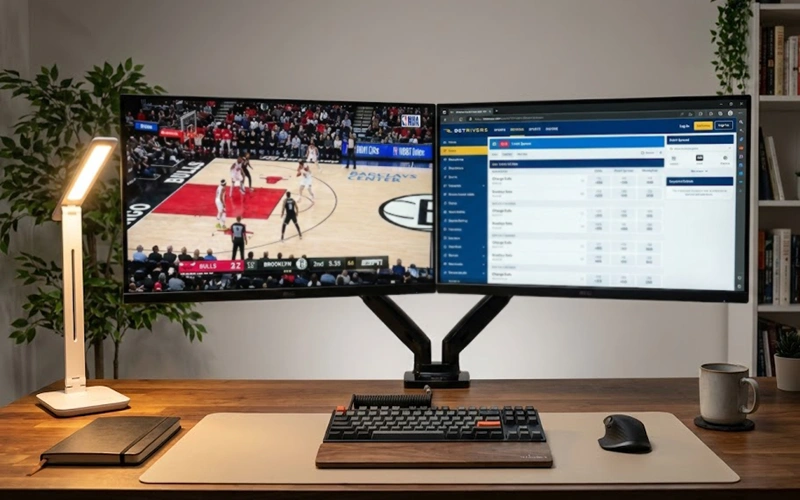
Effective live betting typically requires watching the game while monitoring odds simultaneously. A two-screen setup with the game on one display and your sportsbook on another allows tracking both information streams without switching between apps. This parallel processing enables faster reaction to betting opportunities as they develop.
Streaming quality affects your information advantage. Watching a stream that lags 30 seconds behind live action means the odds have already adjusted to events you haven’t seen yet. Seeking out the fastest available streams, whether through cable, official streaming services, or other legal sources, minimizes this disadvantage.
Some bettors monitor multiple games simultaneously, looking for live betting opportunities across the NBA slate. This approach requires dividing attention but increases the number of potential spots you can identify. The tradeoff between depth of focus on one game versus breadth across many depends on your processing capacity and betting goals.
Bankroll for Live Betting
Live betting bankroll management differs from pre-game wagering because opportunities arise unpredictably and require immediate action. Reserving a specific portion of your bankroll for live betting ensures you have funds available when valuable situations emerge without overcommitting to in-game action at the expense of pre-game positions.
Bet sizing in live markets should account for the increased uncertainty inherent in mid-game wagering. Many bettors use smaller unit sizes for live bets than pre-game bets, acknowledging that the reduced analysis time increases variance. This conservative approach prevents large losses from quick decisions that prove incorrect.
Session limits help prevent the emotional escalation that live betting can trigger. Setting a maximum amount you’ll bet during any single game, regardless of how many opportunities you perceive, imposes discipline when the action becomes tempting. Walking away from a game after hitting your session limit, even if you believe more value exists, protects your bankroll from tilt-driven decisions.
Key NBA Live Betting Strategies
Three-Point Shooting Variance
Three-point shooting is inherently streaky, and live betting allows you to exploit this variance. A team that starts 1-for-10 from deep is unlikely to maintain that cold shooting; regression toward their true percentage suggests improved shooting ahead. If the live spread has adjusted significantly based on this early shooting struggle, betting the cold-shooting team to cover captures value as their percentages normalize.
The same logic applies in reverse for hot shooting. A team hitting 60% from three through the first quarter is experiencing positive variance that will likely regress. The live spread reflecting their current lead might undervalue their opponent if that lead was built on unsustainable shooting. Betting against teams riding hot shooting streaks offers contrarian value that casual bettors miss.
Tracking three-point attempts and makes during games reveals these variance situations in real-time. When a team’s current three-point percentage diverges significantly from their season average, the live market often overreacts to recent makes or misses. Positioning yourself on the side that benefits from regression creates systematic edge.
Momentum and Run Betting
NBA games feature scoring runs that shift momentum and move live lines dramatically. A team going on an 12-0 run sees their live spread improve substantially, often beyond what the run’s significance warrants. These momentum swings trigger emotional reactions from both fans and casual bettors, pushing lines further than rational analysis supports.
Betting against momentum after significant runs exploits this overreaction. The team that just surrendered a big run hasn’t suddenly become much worse; they experienced a brief stretch of poor execution or bad luck that is unlikely to persist. The live spread adjustment, however, often implies permanent degradation in their competitiveness.
Timeout placement during runs provides useful information. A coach calling timeout to stop a run signals recognition that the current stretch is problematic but correctable. Games often stabilize after these stoppages, making the post-timeout window attractive for betting against the team that just dominated.
Star Player Rest Patterns
NBA coaches rest their stars at predictable intervals, typically early in the second and fourth quarters. When a team’s best player heads to the bench, their live spread should adjust to reflect the decreased quality, but the market sometimes underreacts to these substitution patterns.
Anticipating rest periods allows positioning before the market adjusts. If you know a team’s star typically sits at the six-minute mark of the second quarter, betting against them just before that substitution captures value that will be reflected in the line moments later. This requires familiarity with team rotation patterns and attention to fatigue signals.
Conversely, stars returning from rest often spark improved play. Betting a team when their star checks back in, if the live spread hasn’t yet adjusted for their return, exploits the same informational timing. The market will eventually reflect the improved lineup, but being ahead of that adjustment creates edge.
Foul Trouble Opportunities
Foul trouble fundamentally affects how teams play and how coaches manage rotations. A star player picking up their third foul early in the second quarter will likely sit extended minutes, degrading their team’s performance. The live spread should move to reflect this, but markets sometimes underadjust to foul trouble situations.
The impact of foul trouble varies by player role and team depth. A team with strong bench depth absorbs foul trouble better than one relying heavily on their starters. Understanding each team’s depth chart helps assess how significantly foul trouble will affect performance for the remainder of the game.
Foul trouble also affects playing style. A center with four fouls will play less aggressively on defense, potentially allowing easier interior scoring. A point guard in foul trouble might defer offensively to avoid charging calls. These behavioral changes create opportunities in prop and total markets beyond just the spread.
Timeout Betting Windows
Timeouts create brief pauses where betting markets remain open but the game isn’t actively being played. These windows allow for more deliberate analysis than the rapid pace of live action typically permits. Using timeout breaks to evaluate the game state and identify value can improve your decision quality.
Coaches use timeouts to make adjustments, and anticipating those adjustments informs your betting. A timeout called to address defensive breakdowns suggests the coach will emphasize defense coming out of the break. A timeout after an opponent’s run typically includes motivational content designed to steady the team. These patterns affect near-term performance in ways the market might not fully price.
The period immediately after timeouts often features set plays that coaches have diagrammed during the stoppage. Teams execute these plays at higher efficiency than their normal half-court offense. Recognizing when a team is likely running a designed play out of a timeout adds context for assessing their scoring probability on the upcoming possession.
Live Spread and Moneyline Betting
Finding Value After Slow Starts
Teams that start games slowly often present the best live spread value. A team trailing by 10 after the first quarter has seen their spread move significantly, but single-quarter performance is noisy and often doesn’t predict full-game outcomes. If you believed the trailing team was fairly priced before the game, their slow start might make them undervalued at the new live spread.
First-quarter performance correlates only weakly with final outcomes. Teams down early frequently rally, especially quality teams with second-half track records of strong play. The live market’s adjustment to early deficits often exceeds what the actual predictive value of that deficit warrants.
Analyzing why a team started slowly helps assess whether to bet on their recovery. Slow starts due to shooting variance are more likely to reverse than slow starts due to defensive breakdowns or fundamental execution problems. Distinguishing between correctable and persistent issues improves your slow-start betting accuracy.
Betting Against Hot Shooting
Hot shooting teams build leads that the live spread reflects, but those leads often prove less durable than the market implies. A team ahead because they hit 8 of their first 10 three-pointers is likely to cool off, potentially surrendering their advantage. Betting against them captures value as their shooting regresses.
This strategy requires discipline because betting against teams that are currently dominating feels counterintuitive. The scoreboard shows one team winning convincingly, and taking the other side challenges the immediate visual evidence. Trusting the math of regression over the emotion of momentum separates successful live bettors from those who chase hot hands.
Combining hot-shooting fades with other factors strengthens the approach. A team shooting hot but also benefiting from advantageous foul calls or opponent turnovers might be experiencing multiple positive variances simultaneously. Identifying these multi-factor situations reveals the best opportunities to bet against apparently dominant performances.
Garbage Time Awareness
Late-game blowouts enter garbage time where competitive dynamics change entirely. Coaches pull starters, both teams play at reduced intensity, and the spread becomes difficult to predict based on normal game factors. Understanding when a game has effectively ended helps avoid garbage time traps.
Garbage time often compresses margins as the losing team’s reserves face disengaged defense from the winning team’s bench. A team trailing by 25 with five minutes remaining might cut the lead to 15 against backup defenders who aren’t trying particularly hard. This margin compression can cover spreads that seemed dead, punishing bettors who took the favorite late.
Live betting during garbage time requires adjusting your mental model for how the game operates. The intensity level and roster quality differ dramatically from competitive play. Some bettors avoid garbage time entirely, closing their books once the game’s outcome becomes clear rather than navigating the unusual dynamics of mop-up time.
Live Totals Betting
Pace Changes In-Game
Game pace fluctuates throughout NBA contests in ways that create live total opportunities. The first quarter might play at a furious pace that slows considerably as teams settle into half-court offense. Recognizing these pace shifts before the live total fully adjusts allows you to capture value as the market catches up to the changing tempo.
Coaching adjustments affect pace mid-game. A team down late often increases pace to create more possessions for potential comebacks, while leading teams try to slow the game and burn clock. Anticipating these strategic pace changes based on score and time remaining helps project late-game scoring more accurately than simply extrapolating early-game trends.
Foul situations also influence pace. Teams in the bonus get to the free throw line easily, which slows actual playing time but potentially increases scoring per possession. A game heavy with foul calls might finish with different scoring dynamics than the early pace suggested.
Fourth Quarter Dynamics
Fourth quarters play differently than earlier periods due to score context and clock management. Close games see intentional fouling late, extending quarters and adding free throw points. Blowouts see reduced intensity and compressed scoring from reserves. These distinct patterns make fourth quarter totals challenging to project based on earlier performance.
Late-game situations involving intentional fouling can dramatically inflate totals. A team trailing by 10 with two minutes remaining will foul repeatedly, sending the opponent to the line while the clock stops. Each possession potentially adds 2-3 points from free throws, pushing totals higher than the game flow suggested. Live totals set before this fouling sequence begins might offer over value.
Timeout usage in close fourth quarters creates additional possessions beyond what pure game time would suggest. Each timeout stops play without advancing the clock, effectively extending the quarter. More possessions generally mean more scoring opportunities, a factor that live totals might not fully reflect until the extra possessions have already occurred.
Overtime Considerations
Games heading toward overtime present unique live total situations. Regulation totals typically exclude overtime, while full-game totals include it. Understanding which total you’re betting on prevents confusion about what outcome you need.
When regulation ends tied, full-game totals become near-certain overs if the current combined score is anywhere near the original total. An extra five minutes of competitive basketball adds substantial points, virtually guaranteeing that totals set pre-game or even mid-game are exceeded. Recognizing when overtime is likely allows positioning before the market fully prices this eventuality.
Live totals offered during overtime require assessing how the extra period will play out. Overtime periods feature heightened intensity but also fatigue, producing unpredictable scoring dynamics. The reduced time remaining makes each possession more impactful, increasing variance in overtime total outcomes.
Live Player Props
Adjusted Props Mid-Game
Some sportsbooks offer live player props that adjust based on current performance and remaining time. A player with 15 points at halftime might see their live points prop set at 28.5 for the full game, reflecting projections for second-half production. Finding discrepancies between your projection and these adjusted props creates betting opportunities.
Foul trouble dramatically affects live player props. A star with four fouls at the start of the fourth quarter will likely see reduced minutes, making their current counting stats potentially misleading for projecting final totals. Live props that haven’t fully adjusted for foul trouble offer under value when reduced playing time seems likely.
Blowout situations also affect live player props through minutes management. A player dominating a lopsided game might get pulled with five minutes remaining, freezing their statistics below what continued play would have produced. Recognizing when a game is trending toward garbage time helps assess whether live player prop overs are realistic.
Minutes and Matchup Changes
Rotation adjustments during games create opportunities in live player prop markets. A coach giving extended minutes to a reserve due to matchup advantages or starter foul trouble increases that player’s statistical opportunity. Live props that reflect normal rotation expectations rather than adjusted game-specific minutes offer value.
Matchup changes within games affect individual player production. Defensive assignments shift based on who’s on the floor, creating periods where a player faces easier or harder coverage than their overall game projection assumed. Tracking these matchup shifts reveals when a player’s remaining production will exceed or fall short of their live prop adjustment.
Injury situations during games present the most dramatic live prop opportunities. When a teammate leaves with an injury, remaining players often see increased usage that live props haven’t yet reflected. Acting quickly when injury news breaks captures value before sportsbooks adjust the affected player props.
Common Live Betting Mistakes
Emotional Betting
Live betting’s fast pace triggers emotional decision-making that degrades results. Watching your team blow a lead creates frustration that might prompt revenge betting. Seeing a big underdog rally generates excitement that tempts you to jump on the bandwagon. These emotional responses lead to bets you wouldn’t make with calm analysis.
The visual and auditory stimulation of watching games amplifies emotions beyond what pre-game betting involves. Crowd noise, announcer excitement, and the drama of competitive moments all affect your psychological state. Recognizing when your emotions are elevated and stepping back from betting during those moments improves your long-term results.
Chasing Losses
Live betting’s continuous availability makes loss-chasing dangerously easy. A losing pre-game bet tempts you to find a live bet to recover immediately rather than accepting the loss and moving on. This chase mentality leads to poorly considered live wagers placed primarily to address emotional discomfort rather than capture genuine value.
The rapid feedback loop of live betting accelerates chasing dynamics. You can lose three bets in a single quarter if you keep firing, creating a deeper hole that intensifies the urge to chase. Setting firm loss limits before games begin and honoring them regardless of what opportunities you perceive prevents chase-driven destruction.
Ignoring Context
Live betting rewards context awareness, and ignoring context leads to systematic errors. Betting the live spread without knowing about a star’s foul trouble misses crucial information. Taking a live total without realizing the game is heading toward garbage time ignores relevant dynamics. Staying informed about game state beyond just the score improves decision quality.
Context includes factors beyond the specific game. How did each team play in their previous games? What’s their historical performance in second halves? Are there travel or rest factors affecting energy levels? Incorporating broader context prevents evaluating live situations too narrowly based only on the current score.
Advanced Live Betting Tips
Reading the Flow
Beyond statistics and scores, successful live bettors develop intuition for game flow. Which team looks more energetic? Who’s winning the effort plays? Which players seem confident versus frustrated? These qualitative assessments don’t appear in box scores but affect how games unfold.
Reading flow requires watching games closely rather than just monitoring scores. The body language of players after missed shots, the communication between teammates, the intensity of defensive closeouts all provide information about team states. This information arrives before it manifests in score changes, allowing you to bet ahead of market adjustments.
Flow reading isn’t foolproof; sometimes teams that look flat suddenly catch fire while energetic teams go cold. But incorporating flow assessment alongside quantitative analysis adds an informational dimension that purely numbers-focused bettors lack. The combination of statistical and observational analysis strengthens live betting decisions.
Commercial Break Analysis
Commercial breaks during NBA broadcasts provide brief windows for more deliberate analysis. While the game is paused for television, you can review statistics, assess trends, and formulate betting strategies without missing live action. Using these breaks productively maximizes your analytical time.
The halftime break offers the most significant analysis opportunity. Fifteen minutes of game stoppage allows reviewing first-half performance, researching historical patterns, and identifying second-half betting opportunities. Serious live bettors treat halftime as a working period rather than a break from attention.
Exit Strategies
Knowing when to stop live betting during a game preserves profits and prevents late-game mistakes. If you’ve captured value early and built a position you’re satisfied with, continuing to bet exposes you to additional variance without necessarily adding expected value. Locking in your position and simply watching the remainder is sometimes optimal.
Games become harder to project as they progress toward completion. Late-game situations involve unusual strategies like intentional fouling and clock management that introduce unpredictable dynamics. Reducing live betting activity as games enter their final minutes acknowledges this increased uncertainty.
Conclusion
NBA live betting offers opportunities unavailable in pre-game markets, rewarding bettors who can process information quickly and act decisively. The skills required differ from traditional handicapping, emphasizing real-time analysis and pattern recognition over deep research conducted before games begin.
Success requires combining strategic frameworks with disciplined execution. Understanding when shooting variance creates spread value, recognizing how momentum runs move lines excessively, and tracking rotation patterns all provide edges. But these edges only materialize if you maintain emotional control and avoid the mistakes that live betting’s intensity encourages.
The live betting market continues evolving as technology improves and sportsbooks refine their offerings. Bettors who develop live betting expertise now position themselves advantageously as these markets grow. The combination of engagement and opportunity makes live betting a compelling arena for those prepared to master its unique challenges.
Published by the nba Bets team.