NBA Futures Betting: Championship and MVP Odds
 Available in US

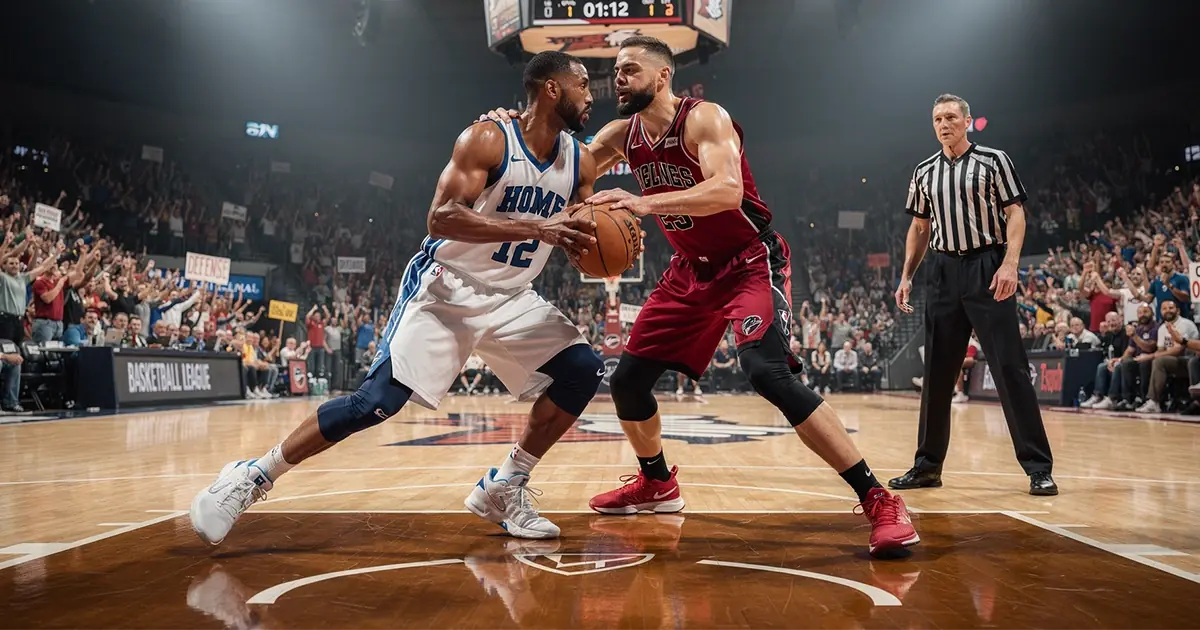
Futures betting offers a fundamentally different experience from wagering on individual games. Instead of sweating a single night’s outcome, you’re making long-term investments that might not resolve for months. Betting the Boston Celtics to win the championship before the season starts means living with that wager through 82 regular season games and potentially four playoff rounds. This extended timeline creates unique strategic considerations that reward patience, foresight, and the ability to project how teams will develop over a full season.
The appeal of futures lies partly in the potential payouts. Championship bets placed before the season on eventual winners can return 5-to-1 or better, depending on how favored the team was at the time. Player award futures on eventual winners sometimes pay even more generously when the market hadn’t yet recognized an emerging candidate. These elevated returns compensate for the risk of having money locked up in wagers that might not cash for months.
This guide explores every major NBA futures market, from championship bets to player awards and team win totals. You’ll learn when to place futures for optimal value, how to analyze the factors that determine long-term outcomes, and strategies for managing a futures portfolio throughout the season. Whether you’re looking to make a single championship bet or build a diversified futures position, understanding these markets opens opportunities that single-game betting doesn’t provide.
What Are NBA Futures Bets? — Profitable NBA Futures and Award Markets
Definition and Types
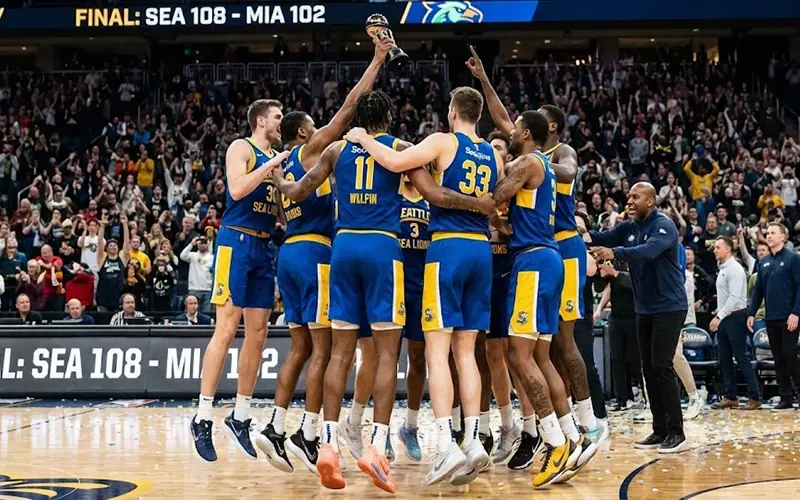
NBA futures bets are wagers on outcomes that will be determined at some point in the future rather than on a specific game day. The most common futures involve championship winners, conference champions, division winners, and regular season win totals. Player award futures cover MVP, Rookie of the Year, Defensive Player of the Year, and other end-of-season honors. Each market operates on its own timeline with different factors driving the odds.
Find the most competitive championship odds and expert analysis directly on the NBA Bets homepage.
To balance your seasonal investments, consider applying a solid NBA totals betting strategy for daily matchups.
Team-based futures focus on competitive outcomes across the season or postseason. Championship and conference futures require teams to win multiple playoff series, making them dependent on health, matchups, and playoff performance rather than regular season records alone. Division and win total futures emphasize regular season performance regardless of playoff results.
Player award futures introduce individual variables beyond team success. While MVP candidates typically come from winning teams, awards like Rookie of the Year or Most Improved Player can go to players on losing squads. Understanding how voters weigh team success versus individual statistics helps project which candidates will ultimately win awards.
How Futures Odds Work
Futures odds represent the sportsbook’s assessment of each outcome’s probability, adjusted to include their profit margin. A team listed at +600 to win the championship has implied odds suggesting roughly a 14% chance of winning, though the true probability might be slightly higher before accounting for the book’s edge. Comparing implied probabilities across all outcomes in a market reveals how much juice the sportsbook is charging.
Odds change throughout the season as new information emerges. A team that dominates early might see their championship odds shorten from +800 to +400, while a team plagued by injuries might drift from +1000 to +2500. These movements reflect the market’s updated assessment of each team’s chances. Bettors who anticipated the movement locked in better prices than those waiting until the picture became clearer.
Understanding odds movement helps time your futures bets strategically. Betting before favorable developments locks in higher payouts, while waiting provides more information but typically at worse prices. This tradeoff between information and odds value sits at the center of futures betting strategy.
Payouts and Timing
Futures payouts are calculated based on the odds at the time you place your bet, not the closing odds when the outcome is determined. If you bet the Lakers at +800 and they win the title, you receive the +800 payout even if they closed at +300 after a dominant season. This locked-in pricing rewards early bets on teams that exceed expectations.
The timing tradeoff involves balancing information against odds value. Betting before the season provides the least information but often the best odds on teams that will improve. Betting mid-season offers more information about team performance but typically at shorter odds. Betting during the playoffs provides near-complete information but minimal odds value on favorites.
Many bettors spread their futures activity across the season rather than concentrating it in one period. Placing some pre-season bets captures early value while reserving capital for mid-season opportunities that emerge from injuries or unexpected team performance. This portfolio approach manages the information-versus-odds tradeoff dynamically.
NBA Championship Futures
Reading Championship Odds
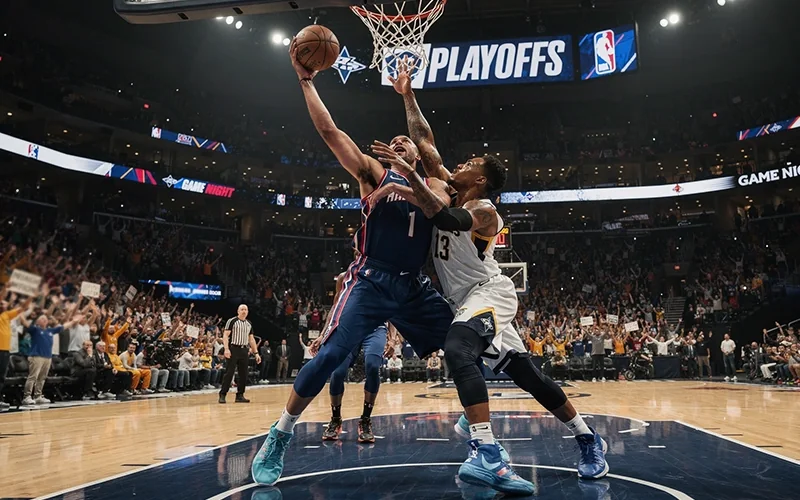
Championship odds typically range from as short as +200 for heavy favorites to +10000 or longer for rebuilding teams with minimal title hopes. The distribution reflects the NBA’s competitive landscape where a handful of elite teams dominate title probability while most teams have negligible chances. Understanding this distribution helps identify where value might exist.
Favorites carry short odds because they’re most likely to win, but short odds don’t guarantee value. A team at +300 must win more than 25% of the time to be a profitable bet at those odds. Assessing whether the true probability exceeds the implied probability requires projecting playoff paths, health outcomes, and performance under pressure.
Longshots offer massive potential payouts but correspondingly low win probabilities. A team at +5000 needs to win just 2% of the time to be profitable at those odds, a threshold some teams might clear despite their distant position in the market. Identifying longshots with realistic championship paths provides opportunities for asymmetric returns.
Best Time to Bet Title Futures
The pre-season window offers odds before any games provide information about team quality. Sportsbooks must price based on projections, roster composition, and historical performance. Bettors who correctly anticipate team improvement capture the most value by betting before the market adjusts to actual results.
Early-season betting allows incorporating initial performance data while still capturing favorable odds on emerging contenders. A team that wins their first 15 games will see their championship odds shorten significantly, so betting after 10 games captures some information while still getting better prices than waiting until mid-season.
Post-trade deadline betting offers clarity on final rosters but typically requires paying steeper prices for genuine contenders. Teams that made significant improvements will have seen their odds already adjust. However, the market sometimes underreacts to deadline acquisitions, leaving residual value for bettors who correctly assess how trades affect championship probability.
Value Hunting Strategies
Value in championship futures comes from identifying teams whose true probability exceeds their implied odds. This edge might stem from projecting improvement based on roster changes, anticipating health improvements from injured players returning, or identifying market inefficiencies where public perception lags reality.
Contrarian approaches look for teams the public has dismissed too aggressively. A team coming off a disappointing season might see inflated odds if the market overweights recent results rather than underlying talent. Projecting bounce-back seasons from teams with legitimate championship ceilings provides value when the market is too pessimistic.
Multi-way markets allow betting multiple teams at acceptable odds, increasing your probability of cashing a futures ticket. Betting three teams at +800, +1000, and +1500 costs three units but returns significantly if any of them wins. This portfolio approach sacrifices maximum return for improved hit rate.
Hedging Championship Bets
Championship bets can be hedged as teams advance through the playoffs. If you hold a +1000 ticket on a team that reaches the Finals, betting their opponent locks in guaranteed profit regardless of the series outcome. The hedging decision involves comparing guaranteed returns against the expected value of letting the original bet ride.
Partial hedges capture some value while maintaining upside. Rather than fully hedging to guarantee the same return regardless of outcome, betting a smaller amount on the opponent ensures profit if your original team loses while still benefiting from their victory. This balanced approach suits bettors who value both security and upside.
Hedging costs include the vig on your hedge bet and the opportunity cost of reduced upside. Sometimes the optimal strategy is not hedging at all, accepting the binary outcome of your original position. The decision depends on your risk tolerance, the hedge odds available, and your assessment of the remaining uncertainty.
Conference and Division Futures
Eastern vs. Western Conference
Conference futures offer shorter odds than championship bets because they only require reaching the Finals rather than winning it. A team with a 20% championship probability might have 35% conference odds, reflecting that they need to survive three playoff rounds rather than four. This reduced hurdle makes conference futures attractive for bettors who believe in a team’s path to the Finals without confidence in their championship matchup.
Conference strength varies year to year, affecting how many viable contenders exist in each bracket. Some seasons feature clear Western Conference favorites with multiple Eastern Conference teams having realistic paths, or vice versa. Analyzing conference depth reveals whether favorites are as secure as their odds suggest or whether the field presents genuine upset potential.
Conference futures allow betting against specific teams without picking a single alternative. If you believe the defending conference champions will falter, betting the field or multiple challengers expresses that view without requiring you to identify exactly which team will emerge. This flexibility suits bettors with negative views on favorites more than positive convictions about specific alternatives.
Division Winner Bets
Division futures provide another layer of reduced risk compared to conference or championship betting. A team only needs to finish ahead of four division rivals rather than navigating an entire playoff bracket. This narrower requirement can offer value on teams that project to be competitive within their division without being conference title contenders.
Division strength varies significantly across the league. Some divisions feature multiple playoff-caliber teams creating genuine competition, while others include one clear favorite among rebuilding opponents. Identifying divisions where the favorite faces real challengers versus those where one team will cruise to the division title informs whether the offered odds represent value.
Head-to-head tiebreakers matter in division races since teams play division rivals multiple times per season. Understanding which teams historically dominate division matchups reveals potential edges the market might overlook. A team with a strong record against division opponents might offer division winner value even if their overall record projects similarly to a rival.
Playoff Seeding Futures
Some sportsbooks offer futures on specific playoff seeds, such as whether a team will finish as the top seed in their conference or make the playoffs at all. These granular markets allow expressing specific views about regular season performance without commitment to postseason outcomes.
Top-seed futures suit teams projected to accumulate wins but facing questions about playoff execution. A regular season juggernaut might offer value at the top-seed price if the market has priced in playoff concerns that don’t affect regular season performance. Separating regular season from postseason projections reveals these opportunities.
Make/miss playoffs futures provide action on bubble teams whose outcomes are genuinely uncertain. A team projected for 41 wins exists on the playoff threshold where small performance variations determine their fate. These binary markets reward accurate projections of how borderline teams will perform.
NBA Win Total Betting
Understanding Team Win Totals
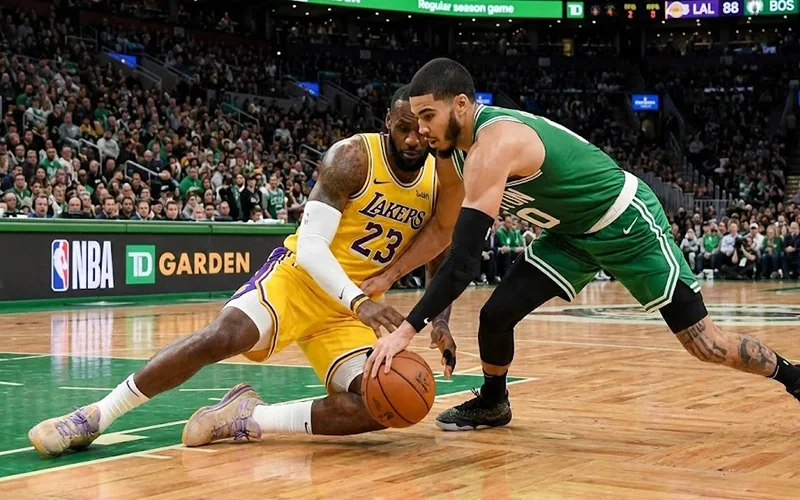
Win totals present over/under markets on regular season victories. A team listed at 48.5 wins means you’re betting whether they’ll finish with 49 or more wins or 48 or fewer. Unlike championship futures where only one team can win, every team’s win total resolves as either over or under, making these markets accessible for the entire league.
Sportsbooks set win totals based on projections incorporating roster quality, schedule difficulty, and divisional competition. These projections synthesize many of the same factors bettors use in their analysis, meaning finding value requires identifying where projections miss important considerations.
Win totals lock in early, so injuries and trades that occur after betting affect outcomes without affecting your locked-in position. A team whose star suffers a season-ending injury after you bet their over faces dramatically reduced win expectations, but your bet still requires the original 49 wins. This injury risk represents a key difference from single-game betting.
Over/Under Season Wins
Projecting team wins requires estimating offensive and defensive efficiency, then translating those into expected winning percentage. A team projected for +3 net rating might expect roughly 52 wins based on historical relationships between point differential and record. Comparing your projection to the posted win total identifies potential value.
Schedule analysis adds precision to win total projections. A team with a front-loaded schedule faces more games against rested opponents early before teams experience fatigue, while a team whose schedule back-loads difficult matchups might fade late. These schedule quirks affect win totals differently than team quality alone would suggest.
Health projections represent the most uncertain element of win total analysis. Projecting 75 games from a star player might be optimistic if they’ve historically missed time to injury. Building health variance into your projections prevents systematically over-projecting teams relying on players with injury histories.
Schedule Analysis for Win Totals
The NBA schedule creates predictable patterns that affect team performance. Back-to-back games penalize teams systematically, road trips accumulate fatigue, and rest advantages manifest in measurable ways. Teams with schedule advantages might outperform their talent level, while those with difficult schedules might underperform.
Schedule strength varies throughout the season. A team facing playoff contenders repeatedly in January might experience a mid-season slump that doesn’t reflect their true quality. Conversely, a team with a soft late-season schedule might surge toward the finish. These patterns inform not just win totals but also the timing of related bets.
Travel distances accumulate across seasons in ways that affect West Coast teams differently than East Coast teams. Teams with concentrated geographic divisions face less travel burden than those flying cross-country regularly. These logistical factors receive less market attention than roster quality but still influence win totals.
NBA Player Award Futures
MVP Betting Strategy
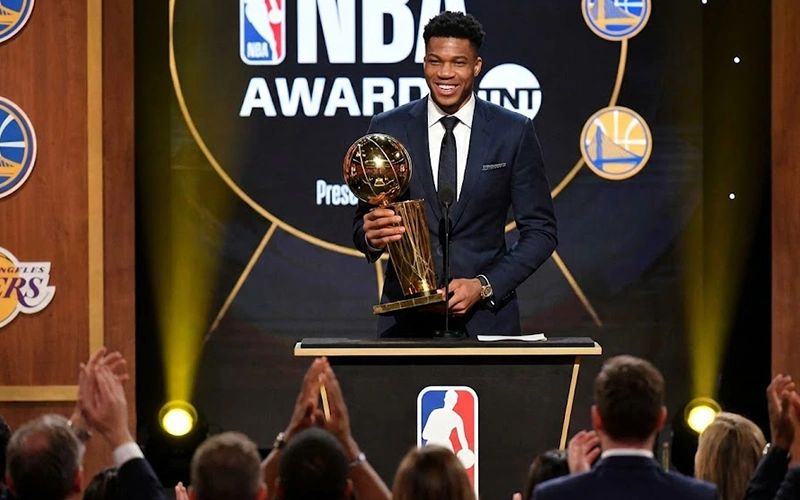
MVP futures attract significant action because the award recognizes the league’s best player, a high-profile honor that captures widespread attention. Betting MVP requires projecting both individual performance and team success, since voters historically favor players from winning teams.
Narrative matters in MVP voting beyond pure statistics. A player leading his team to unexpected success generates a compelling storyline that voters reward. First-time winners breaking through or veteran stars cementing their legacies attract narrative support that pure statistical comparisons miss.
Timing MVP bets requires anticipating when narratives will crystallize. Betting pre-season captures maximum odds but risks narrative shifts. Betting mid-season after a candidate emerges costs odds value but confirms the narrative trajectory. Successful MVP bettors often ladder positions, adding to their investment as conviction increases.
Rookie of the Year
Rookie of the Year betting centers on the incoming draft class with odds reflecting draft position and college performance. Top picks carry short odds based on selection status while later picks offer longer odds that might provide value if they outperform draft position.
Opportunity drives rookie production more than raw talent in many cases. A lottery pick on a deep team might see limited minutes while a second-round pick starting for a rebuilding squad accumulates statistics. Projecting playing time informs ROY betting as much as projecting talent.
Voters weigh team success less heavily for ROY than MVP, allowing players on losing teams to win if their individual numbers stand out. This flexibility means ROY candidates can emerge from rebuilding situations where other award candidates cannot.
Defensive Player of the Year
DPOY betting requires understanding what voters value in defensive performance. Rim protection historically dominated voter attention, favoring centers who block shots and anchor defenses. Perimeter defenders face higher burdens to demonstrate their impact through statistics voters recognize.
Statistical profiles differ between DPOY candidates in ways that complicate comparison. A shot-blocker might average 2.5 blocks while a perimeter defender accumulates 2.0 steals. Voters weigh these contributions differently, often favoring the more visible rim protection. Understanding these biases helps project vote outcomes.
Team defensive success correlates with DPOY voting since voters seek players anchoring elite defenses. A great individual defender on a poor defensive team faces skepticism about whether his impact translates to winning. Targeting defenders on projected elite defenses improves DPOY hit rates.
Sixth Man and Most Improved
Sixth Man of the Year rewards the best reserve player, typically requiring significant scoring production off the bench. The award favors players with starting-caliber talent accepting reserve roles, particularly high-usage bench scorers who provide offensive punch behind starters.
Most Improved Player futures offer long odds on breakout candidates. The award typically goes to players making dramatic statistical leaps, often second or third-year players emerging into larger roles. Identifying players positioned for opportunity increases and projecting their response to expanded roles guides MIP betting.
Both awards involve substantial uncertainty that creates volatile odds. A player who starts the season slowly might see their odds drift before a late-season surge generates award consideration. Patient bettors who identify value at inflated odds capture significant returns when these candidates ultimately win.
NBA Futures Betting Strategy

Early Season vs. Mid-Season Betting
Early-season futures betting captures the best odds but involves the most uncertainty. Teams that start poorly might recover as chemistry develops, while fast starters might fade as opponents adjust. Distinguishing sustainable early performance from small-sample noise separates successful early-season futures bettors from those chasing short-term results.
Mid-season betting offers more information at the cost of compressed odds. By February, genuine contenders have separated from pretenders, and injury situations have clarified. The market has already incorporated this information into prices, leaving value only where your analysis differs from consensus views.
Combining early and mid-season approaches manages the information-odds tradeoff dynamically. Placing initial positions early captures odds value while reserving capital for mid-season adjustments as information emerges.
Injury Impact on Futures
Injuries dramatically affect futures value for both injured players’ teams and their competitors. A championship favorite losing their star to long-term injury sees their odds plummet while rivals’ odds improve. Bettors who anticipate or quickly react to injury news capture value before markets fully adjust.
Health projections should factor into pre-season futures analysis. Teams relying on older stars or players with injury histories face elevated risk that should be reflected in your fair-value odds assessment. Adjusting for injury probability improves your edge identification.
Trade Deadline Considerations
The trade deadline reshapes the league’s competitive landscape in ways that create futures opportunities. Teams adding key pieces see their championship odds improve, while sellers signal competitive surrender. Anticipating deadline activity positions you to capture value before transactions occur.
Markets sometimes underreact to deadline moves, leaving residual value for bettors who correctly assess how acquisitions affect championship probability. A team adding a missing piece might deserve significantly shorter odds than the post-deadline market offers.
Bankroll Allocation for Futures
Futures betting ties up capital for extended periods, requiring different bankroll considerations than single-game betting. Allocating too much to futures leaves insufficient liquidity for daily opportunities, while allocating too little limits your futures exposure when you identify value.
Professional futures bettors often dedicate 10-20% of bankroll specifically to futures positions. This allocation acknowledges that futures offer unique value opportunities while maintaining flexibility for other betting activity.
Advanced Futures Analysis
Probability Calculations
Converting odds to implied probabilities allows comparing your projections directly to market prices. If you believe a team has a 25% championship probability but the market implies only 15%, you’ve identified potential value worth betting. This probability-based framework provides rigorous value identification.
Building team-specific probability models involves projecting playoff paths and estimating series win probabilities at each round. A team facing favorable early-round matchups but a difficult conference finals opponent has different championship probability than one whose path is inverted.
Market Movement Tracking
Tracking how futures odds move over time reveals market sentiment and sharp bettor activity. Lines that move consistently in one direction suggest persistent information or opinion flow that you might want to follow or fade depending on your analysis.
Significant line moves often correlate with news events that haven’t fully reached public awareness. A championship odds drop from +600 to +450 without obvious explanation might signal insider knowledge about injuries, trades, or other developments. Investigating these moves can reveal information worth acting on.
Conclusion
NBA futures betting rewards patient bettors willing to commit capital to long-term positions. Championship, conference, division, and win total markets offer team-focused opportunities, while player award futures introduce individual performance considerations. Each market operates on its own timeline with different factors driving value.
Success requires combining analytical rigor with strategic timing. Understanding when to bet, how much to allocate, and when to hedge positions transforms futures from lottery tickets into calculated investments. The best futures bettors maintain diversified portfolios that capture value across multiple markets while managing the inherent uncertainty of projecting outcomes months in advance.
The extended timeline of futures betting demands emotional discipline beyond single-game wagering. Living with positions through months of uncertainty requires conviction in your process rather than reaction to short-term results. Those who develop this patience find futures markets offer unique opportunities unavailable in daily betting.
Prepared by the nba Bets editorial staff.