
NBA Over/Under Betting: Totals Odds and Strategies
 Available in US
Totals betting offers a fundamentally different approach to wagering on NBA games. Instead of picking sides and worrying about which team wins or by how much, you’re forecasting the combined scoring output of both teams. Will the game be a high-scoring shootout or a defensive grind? This question sits at the heart of over/under betting, and answering it consistently requires understanding the factors that drive NBA scoring in ways that casual observers rarely consider.
The appeal of totals betting lies partly in its neutrality. You can watch a game without rooting for either team to win, simply hoping for points or defensive stops depending on your position. This detachment removes some emotional baggage that clouds judgment when you have money on a specific team. Some bettors find totals easier to handicap because they can focus on pace and efficiency rather than trying to predict competitive outcomes between two squads trying to beat each other.
Over/under betting also creates unique value opportunities because the market tends to focus less attention here than on spreads. Sharp money moves spread lines quickly when information surfaces, but totals sometimes lag behind. A late injury to a key offensive player might immediately shift the spread while the total adjusts more slowly. Bettors who understand these dynamics can find windows where the market hasn’t fully priced in relevant information.
Understanding NBA Totals — Calculating NBA Totals and Team Pace
What Is Over/Under Betting?
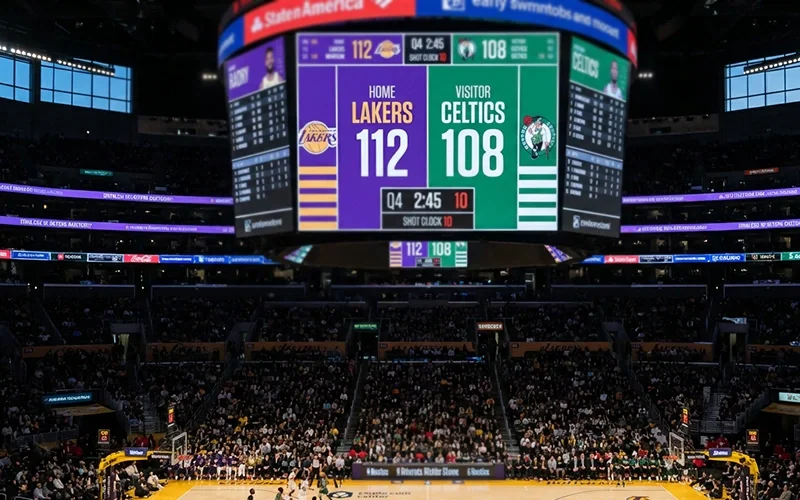
When sportsbooks post an NBA total, they’re setting a number that represents the expected combined score of both teams. If the Lakers versus Nuggets total opens at 224.5, you’re betting on whether the final combined score will exceed that number or fall short. Lakers winning 118-110 produces a total of 228, cashing the over. A 102-98 defensive struggle totals 200, meaning the under hits. The margin of victory becomes irrelevant; only the aggregate scoring matters.
Maximize your winning potential by following the daily updates on our premier basketball betting platform.
If you enjoy predicting game totals, you might also find great value in exploring NBA player props betting strategies for individual performances.
Totals create binary outcomes just like spreads, but the analysis required differs significantly. Spread bettors evaluate relative team strength and try to predict margins. Totals bettors assess combined offensive and defensive capabilities, playing pace, and environmental factors that influence scoring. Two teams can be evenly matched, producing a toss-up spread, while simultaneously presenting a clear lean on the total based on their stylistic tendencies.
The standard juice on totals mirrors spread betting, typically -110 on both the over and under. This means you’re fighting the same 52.4% breakeven threshold, but the betting population that drives line movement sometimes differs. Casual bettors often gravitate toward overs because high-scoring games feel more exciting. This public bias toward overs occasionally creates value on unders, though the pattern isn’t reliable enough to exploit blindly.
How Sportsbooks Set Totals
Oddsmakers employ sophisticated models that account for each team’s offensive and defensive efficiency, adjusted for pace and opponent strength. They project how many possessions each team will generate and estimate the points produced per possession for both sides. The resulting projection incorporates home court effects, rest advantages, altitude considerations for Denver games, and countless other variables that influence scoring.
Opening totals invite sharp money that helps refine the number toward market efficiency. If professionals hammer the over immediately after release, the total climbs to balance action. This price discovery process means closing lines typically reflect more accurate projections than openers. Some bettors target opening lines specifically to capture value before sharp corrections occur, while others wait for closing prices that incorporate all available information.
Totals move throughout the betting period as information emerges and money flows. Injury news affects totals directly when offensive players sit or defensive anchors miss games. Weather rarely matters for basketball played indoors, but scheduling factors like back-to-back games absolutely influence totals. Understanding why a line moves helps you evaluate whether the movement was warranted or whether you should bet against it.
Overtime Rules
Most sportsbooks include overtime in total calculations, which adds variance that bettors must account for. A game heading to overtime will almost certainly go over if the total sits near a typical NBA line around 220. Those extra five minutes of played time add approximately 20 points on average, pushing totals that might otherwise land under into over territory.
This overtime wrinkle creates interesting dynamics for late-game situations. If you bet the over and the game is tied late in regulation, you’re in excellent shape regardless of who wins because overtime virtually guarantees your number hits. Under bettors face the opposite scenario, needing one team to close out the game before extra periods add unwanted points. Some bettors factor overtime probability into their analysis, adjusting fair values for games between evenly matched teams that might extend.
A few sportsbooks offer totals that exclude overtime, though these markets tend to be less liquid with wider spreads. If overtime concerns affect your handicapping significantly, seeking out regulation-only totals might suit your approach better. The tradeoff involves accepting potentially worse prices for the peace of mind that five unexpected minutes won’t reverse your wager.
Factors That Influence NBA Totals
Pace of Play
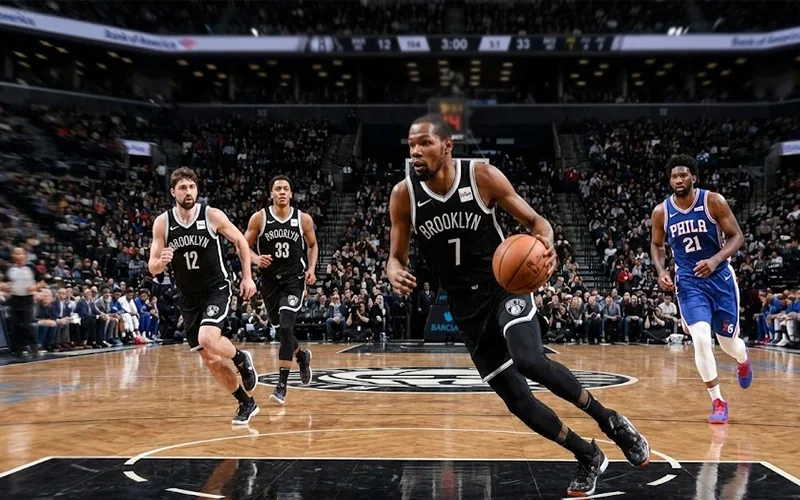
Pace measures how many possessions a team generates per 48 minutes, and it correlates directly with scoring opportunities. Teams averaging 105 possessions per game create more chances to score than teams averaging 95, assuming similar efficiency levels. When two fast-paced teams meet, the expected possession count climbs, increasing the probability of a high-scoring affair. Conversely, two methodical, half-court-oriented teams produce fewer opportunities and typically lower totals.
The pace calculation for a specific matchup involves estimating how both teams’ tempos blend. A fast-paced team facing a slow-paced opponent doesn’t simply split the difference; the resulting pace depends on which team controls the game’s rhythm. Teams committed to pushing the ball in transition can dictate pace even against opponents who prefer slower play. Analyzing how teams have performed in similar stylistic matchups provides insight into what pace to expect.
Sportsbooks already incorporate pace into their totals, so you’re not discovering hidden edges by noting that two fast teams play each other. The value lies in identifying when the market’s pace assumption seems incorrect. Perhaps a team has recently changed their playing style, or injuries have altered their ability to run. These situations create discrepancies between the market’s expectation and what you project.
Offensive and Defensive Ratings
Offensive rating measures points scored per 100 possessions, while defensive rating measures points allowed. These efficiency metrics tell you more about team quality than raw points per game because they adjust for pace differences. A team averaging 115 points in 105 possessions is actually less efficient than a team averaging 110 points in 95 possessions, despite the higher raw scoring.
Combining offensive and defensive ratings for both teams generates an expected scoring output for the matchup. If Team A averages 112 offensive rating against a league-average defense, and Team B allows a 108 defensive rating against league-average offenses, you can estimate Team A’s expected efficiency in this specific game. Running this calculation for both sides and applying expected pace produces a projected total for comparison against the market.
These metrics fluctuate throughout the season as teams face varying opposition quality. Early-season ratings can mislead if a team’s schedule has been unusually easy or difficult. Adjusting for strength of schedule improves your projections, though the calculations become more complex. Several publicly available advanced stats sites provide schedule-adjusted ratings that handle this math for you.
Three-Point Shooting Trends
The NBA’s three-point revolution has systematically pushed totals higher over the past decade. Teams attempt far more threes than they did fifteen years ago, and each made three adds an extra point compared to a two-pointer. This trend means historical comparisons of totals require context; a 225 total today reflects different expectations than a 225 total in 2010.
Three-point shooting carries inherent variance that affects game-by-game totals. A team’s true shooting ability might translate to 36% from deep, but individual games see wild swings from 25% to 45% based on random fluctuation and streaky shooting. Games where both teams shoot well from three tend to sail over totals, while mutual cold shooting nights push outcomes under. This variance makes totals somewhat less predictable than spreads, where efficiency fluctuations partially cancel out.
Analyzing how teams defend the three-point line adds another layer. Some defenses contest perimeter shots effectively, lowering opponent three-point percentages below baseline. Others funnel attackers into three-point attempts as a strategic choice, accepting that giving up threes beats giving up layups. Understanding each team’s defensive philosophy around perimeter shooting sharpens your total projections.
Rest and Fatigue
Tired legs affect shooting efficiency, particularly on longer three-point attempts and end-of-game situations. Teams playing the second night of a back-to-back typically see their offensive efficiency decline by several points per 100 possessions. This fatigue factor should push totals lower when one or both teams are playing their second game in two nights.
The market adjusts for rest disparities, but the adjustments aren’t always precise. Blowout losses the night before might fatigue a team less than overtime victories where stars played 40+ minutes. Travel distances between games matter too; a back-to-back in the same city hits differently than flying cross-country overnight. These nuances escape simple models that treat all back-to-backs equally.
Rest advantages compound when one team enjoys multiple days off while their opponent enters fatigued. A fully rested team facing a back-to-back squad can push pace aggressively, knowing their conditioning edge grows as the game progresses. This dynamic might increase totals against conventional back-to-back wisdom because the rested team scores freely while the tired team can’t keep up defensively.
Analyzing Matchups for Totals
High-Scoring Team Matchups
When two elite offenses collide, the over becomes tempting regardless of what the number shows. Games featuring teams ranked in the top five for offensive efficiency historically produce higher-than-expected scoring, partly because neither side can force stops consistently. The game turns into a track meet where each possession likely produces points, and defensive possessions become mere rest periods before the next offensive opportunity.
However, the market knows which teams score prolifically. Totals for matchups between offensive powerhouses open higher than typical games, often in the 230-235 range for the most explosive pairings. The question isn’t whether the game will be high-scoring but whether it will exceed an already-elevated expectation. Sometimes the market overcorrects, assuming maximum offensive output when both teams might actually tighten defensively against a quality opponent.
Star player matchups within high-scoring games add another variable. When elite scorers face each other, competitive fire sometimes produces historic individual performances that inflate totals beyond expectations. Other times, the defensive attention paid to stopping the opposing star limits their efficiency while role players can’t compensate. Reading these interpersonal dynamics requires following the league beyond statistical analysis.
Defensive-Minded Games
Matchups between elite defensive teams present the inverse challenge. When two squads ranking in the top ten defensively meet, the total drops to reflect expected scoring difficulties. These games often feel like chess matches, with each possession contested and easy baskets scarce. Under bettors thrive in these environments if the market underestimates how ugly the scoring can get.
Defensive effectiveness manifests in various ways that totals bettors should distinguish. Some teams excel at forcing turnovers, which removes possessions entirely from the scoring calculation. Others limit shot quality without generating steals, allowing possessions but reducing made baskets. Rim protection affects totals differently than perimeter defense. Understanding how each team’s defensive strengths match up against the opponent’s offensive approach sharpens projections.
Games between defensive teams can surprise in either direction when one side’s offense breaks through. A team that typically struggles to score might catch fire against a defense that doesn’t match up well with their specific strengths. These breakout performances push games over totals set based on expected struggles. Conversely, both offenses might underperform simultaneously, creating unders that clear by double digits.
Stylistic Clashes
The most interesting totals matchups involve teams with contrasting styles. A fast-paced offensive juggernaut facing a grind-it-out defensive squad creates genuine uncertainty about which team will dictate the game’s tempo and character. These games require projecting not just efficiency but control, meaning which team successfully imposes its preferred style on the other.
Historically, pace-controlling defensive teams tend to dictate tempo more than pace-pushing offensive teams. It’s easier to slow a game down than to speed it up because offense requires opponent participation while defense only requires your own effort. This tendency suggests unders might carry slight edges in stylistic mismatch situations, though individual matchup specifics matter more than general rules.
Coaching adjustments factor heavily into stylistic clashes. A coach facing a superior offensive team might scheme specifically to limit possessions and turn the game into a rock fight. Alternatively, a coach might decide to shoot out with a high-powered opponent, betting that their own offense can keep pace. Anticipating these strategic decisions adds an element of game theory to your totals analysis.
Team and Quarter Totals

First Half Totals
First half totals isolate the opening 24 minutes, creating a distinct market with its own dynamics. Some teams start games strongly before fading in second halves, while others build slowly and finish with flurries. These patterns inform first half betting differently than full-game totals, and the correlations between half and full-game outcomes aren’t always intuitive.
The first half tends to be lower-scoring than the second half in many NBA games. Teams save their best lineups and most aggressive strategies for crunch time, while first halves sometimes feature exploratory possessions and conservative playcalling. This tendency means first half totals should account for typically slower starts rather than simply halving the game total.
Garbage time doesn’t exist in first halves, removing one variable that affects full-game totals. Whatever scoring occurs through 24 minutes reflects both teams competing at full intensity. This dynamic can make first half totals more predictable than full games where one team might coast or collapse after building a lead. Some bettors specialize in first half markets specifically to avoid garbage time variance.
Team Total Betting
Team totals ask how many points a single team will score, removing the opponent’s offensive output from consideration. This market type suits bettors with strong opinions about one side’s scoring but less confidence in the opposing team’s output. If you believe the Celtics will score 118+ but aren’t sure whether their opponent will score 95 or 115, betting Boston’s team total over isolates your edge.
Sportsbooks derive team totals from the full game total and spread, making these markets mathematically connected. If the total is 224 and the spread is -6, the favorite’s implied team total sits around 115 while the underdog’s sits around 109. Significant discrepancies between your projection and these implied totals indicate potential value in team total markets rather than full game totals.
Team totals see less betting action than full game totals, which can create softer lines where value persists longer. The reduced liquidity means sharp money moves these markets less efficiently, potentially leaving opportunities that would disappear quickly in higher-volume markets. For bettors confident in their team-specific analysis, team totals offer a more direct way to express their opinion.
Quarter Betting Opportunities
Quarter totals break games into their smallest standard segments, creating markets for each twelve-minute period. These micro-markets attract bettors who have identified specific quarter tendencies that repeat often enough to exploit. A team that consistently starts slowly might present first quarter under value, while a team known for third-quarter runs might offer third quarter over opportunities.
The variance in quarter betting exceeds half or full-game betting because smaller sample sizes produce wilder swings. A single three-pointer represents a larger percentage of a quarter total than a game total, meaning hot or cold shooting stretches affect outcomes more dramatically. This variance cuts both ways; you’ll win some bets that shouldn’t have won and lose some that should have.
Quarter betting rewards specialists who track patterns the broader market ignores. Most bettors focus on full-game outcomes, leaving quarter markets less picked over. The tradeoff involves accepting higher variance and doing more granular research. For bettors willing to invest the effort, quarter totals provide an alternative arena where competition from sharp money is less fierce.
Over/Under Betting Strategies

Back-to-Back Game Totals
Teams playing back-to-back games typically underperform offensively, which should theoretically push totals lower. The data supports this tendency, but the market already adjusts for it. Your edge comes from identifying when the adjustment is insufficient or excessive. Sometimes the market overcorrects, assuming dramatic fatigue effects that don’t materialize against weak opponents who can’t exploit tired legs.
Cross-country travel back-to-backs hit harder than short-hop back-to-backs. Flying from Miami to Portland overnight affects performance more than driving from Los Angeles to Phoenix. These distinctions matter for projecting just how much fatigue will suppress scoring, and the market doesn’t always distinguish between back-to-back types with appropriate precision.
Tracking Line Movement
Totals move for reasons worth understanding before following or fading. Sharp money moving a total from 224 to 226 suggests professionals expect higher scoring than the market initially projected. This information has value, though blindly following sharp action without understanding the thesis behind it rarely produces consistent results.
Injury news drives much total movement. A defensive anchor sitting out should raise the total as his team allows more points. An offensive star missing should lower it. Sometimes the market reacts to lineup news with spread movement but neglects to adjust the total appropriately, creating brief windows of value for attentive bettors.
Late-Season Motivational Factors
NBA teams’ effort levels vary dramatically based on playoff positioning. Teams locked into seeds or eliminated from contention sometimes play at reduced intensity, which affects both ends of the floor. A team with nothing to play for might offer less defensive resistance, pushing totals higher regardless of what their season-long metrics suggest.
Conversely, late-season meaningless games sometimes turn into unwatchable affairs where neither team invests much energy. Young players getting extended run might struggle with efficiency while veterans coast through their minutes. These contexts make late-season totals particularly difficult to handicap because standard models assume full competitive effort.
Advanced Totals Analysis

Using Effective Field Goal Percentage
Effective field goal percentage adjusts shooting accuracy to account for the extra value of three-pointers. It provides a cleaner measure of shooting efficiency than raw field goal percentage and correlates strongly with offensive output. Teams with high eFG% score efficiently, while teams allowing low eFG% defend effectively.
Projecting eFG% for a specific matchup involves analyzing how each team’s shooting strengths interact with the opponent’s defensive weaknesses. A team that generates open three-point looks will fare better against a defense that struggles to contest perimeter shots than against one that limits those opportunities. This matchup-specific analysis refines your total projections beyond raw team averages.
Turnover Differential Impact
Turnovers remove possessions entirely from the scoring equation. A team that forces turnovers while protecting the ball gains extra opportunities that translate into scoring margin advantages. For totals purposes, high-turnover games produce fewer total possessions, which typically means lower combined scoring.
Games between teams with opposing turnover profiles, one that forces turnovers against one that commits them, should produce possession imbalances that affect totals. The team winning the turnover battle scores in transition while the careless team wastes possessions. These dynamics add complexity to total projections but reward bettors who track them.
Free Throw Rate Analysis
Free throw attempts per field goal attempt measures how often teams get to the line. High free throw rate offenses generate points efficiently through drawn fouls, while defenses that foul frequently surrender easy scoring opportunities. Free throws also stop the clock, reducing pace and potentially limiting total possessions.
The relationship between free throw rate and totals isn’t straightforward. More free throws mean more points per trip but potentially fewer trips. Games between teams that attack the basket aggressively might feature extended free throw parades that inflate totals despite moderate pace. Projecting these effects requires understanding both teams’ tendencies and the assigned officiating crew.
Common Mistakes in Totals Betting
The most frequent totals betting error involves assuming past scoring performance predicts future results without adjusting for context. A team averaging 120 points per game against weak defensive competition won’t maintain that output against a top-five defense. Failing to adjust for opponent quality leads to systematically biased projections.
Another common mistake is chasing recent scoring trends. A team that went over the total in five straight games will see inflated totals in their next game as the market anticipates continued high scoring. Often, regression toward their true scoring level produces an under result, burning bettors who extrapolated a small sample size.
Ignoring garbage time effects also traps totals bettors. Blowouts often see the losing team score empty late points against disengaged defenses, inflating totals beyond what competitive play would produce. Betting unders in games expected to be close can backfire when the game turns into a laugher with extended garbage time padding the score.
Conclusion
NBA over/under betting rewards those who understand scoring at a deeper level than simple points per game averages. Pace, efficiency, matchup dynamics, and situational factors all contribute to projecting totals more accurately than the market. Building this analytical foundation takes time, but the investment pays dividends for committed totals bettors.
The key lies in finding discrepancies between your projections and market prices. When you expect 228 combined points and the market offers 223.5, you have a potential over. When your analysis suggests 215 in a game lined at 221, the under presents value. These edges compound over hundreds of bets into meaningful profits.
Remember that variance runs higher in totals betting than spread betting. Individual games can deviate significantly from expectations based on shooting luck alone. Maintaining discipline through inevitable losing streaks while trusting your process separates successful totals bettors from those who abandon sound analysis after short-term setbacks.
Created by the ”nba Bets” editorial team.